Discover where French wood is used around the world: oak, beech, and ash for flooring, structural timber, furniture, and industry.

French wood is renowned for its quality, consistency, and ability to meet the needs of diverse markets depending on the species and processing methods. Whether oak, beech, ash, or exotic species processed in Europe, this raw material circulates internationally and is specialized according to its end use.
A significant portion of the wood's value is created after it leaves the sawmill, through various industrial and artisanal processes across different countries.
French wood is widely exported in various forms: logs, sawn timber, or semi-finished products.
International trade is heavily structured around Europe, Asia, and several niche markets, with significant flows to Italy, the Benelux countries, Spain, Portugal, the United Kingdom, as well as China, Vietnam, India, and North America.
This diversity of outlets reflects the versatility of French wood species and the specialization of different countries in specific types of processing.
A significant portion of French wood is processed in Europe, particularly in Italy and the Benelux region.
These countries specialize in:
French oak is particularly sought after there for its stability and aesthetic finish after processing.
The Iberian Peninsula utilizes various French wood species for both artisanal and industrial production.
Key examples include:
These markets favor woods that are easy to machine, suitable for producing turned or decorative parts.
The United Kingdom holds a unique position in the timber industry.
French oak is historically linked to its architecture:
It is widely used in construction and restoration, where the material is as much structural as it is aesthetic.
In this context, QPA (Prime Appearance Quality) timber framing Vuitton Sawmill is fully aligned with these high-end applications.
An increasing share of French timber is exported to Asia.
There are several distinct uses:
In China and India:
In Vietnam:
These markets are driven by growth in construction and the demand for wood materials.
The French beech is also used in highly specific sectors in Mexico, particularly for products related to spirits.
It is processed into components for stoppers and elements that come into contact with alcohol (notably for tequila and aging processes).
These applications rely on strict selection criteria and high technical requirements.
French wood is rarely limited to a single use. It is processed, adapted, and utilized according to the expertise of each country.
This diversity illustrates the ability of French wood to integrate into a wide variety of global value chains.
Each country contributes specific expertise:
French wood thus becomes a global raw material, with its value built at every stage of its transformation.
In this context, Scierie Vuitton positions itself as an upstream link in this value chain, providing selected timber tailored to these various markets.
QPA oak structural timber, beech squares, and wood intended for technical uses are all part of this same approach: offering raw materials that meet international standards while maintaining a high level of quality.
In our blog, you will find articles dedicated to the world of hardwood, to our know-how, to the life of the sawmill and to news in the sector.
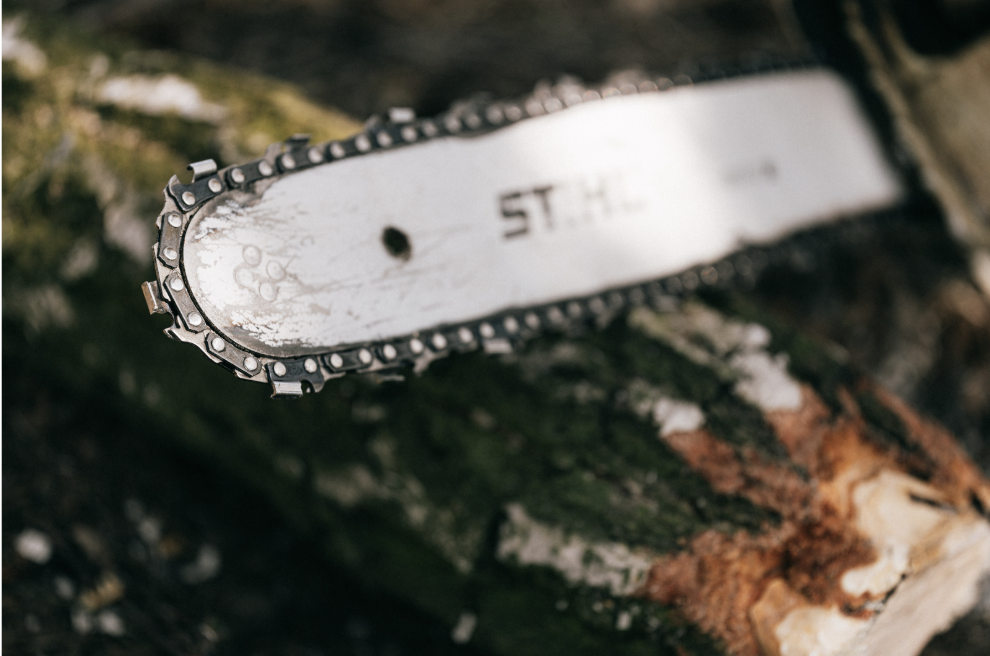
De la forêt au produit scié, découvrez les métiers et les étapes qui permettent de transformer une grume en poutres, plots, dépareillés ou avivés, tout en valorisant les produits connexes issus du sciage.
Discover
À travers le label Bois de France, la Scierie VUITTON valorise l’origine française de ses bois, leur transformation sur le territoire et le savoir-faire d’une filière française tournée vers les marchés professionnels.
Discover
Découvrez ce que signifie la certification PEFC et comment la Scierie VUITTON s’inscrit dans une démarche de gestion durable des forêts, de traçabilité et de valorisation responsable du bois.
Discover


