Beech, the ideal wood for woodturning: discover its qualities, applications, and the beech and ash squares offered by Scierie Vuitton.
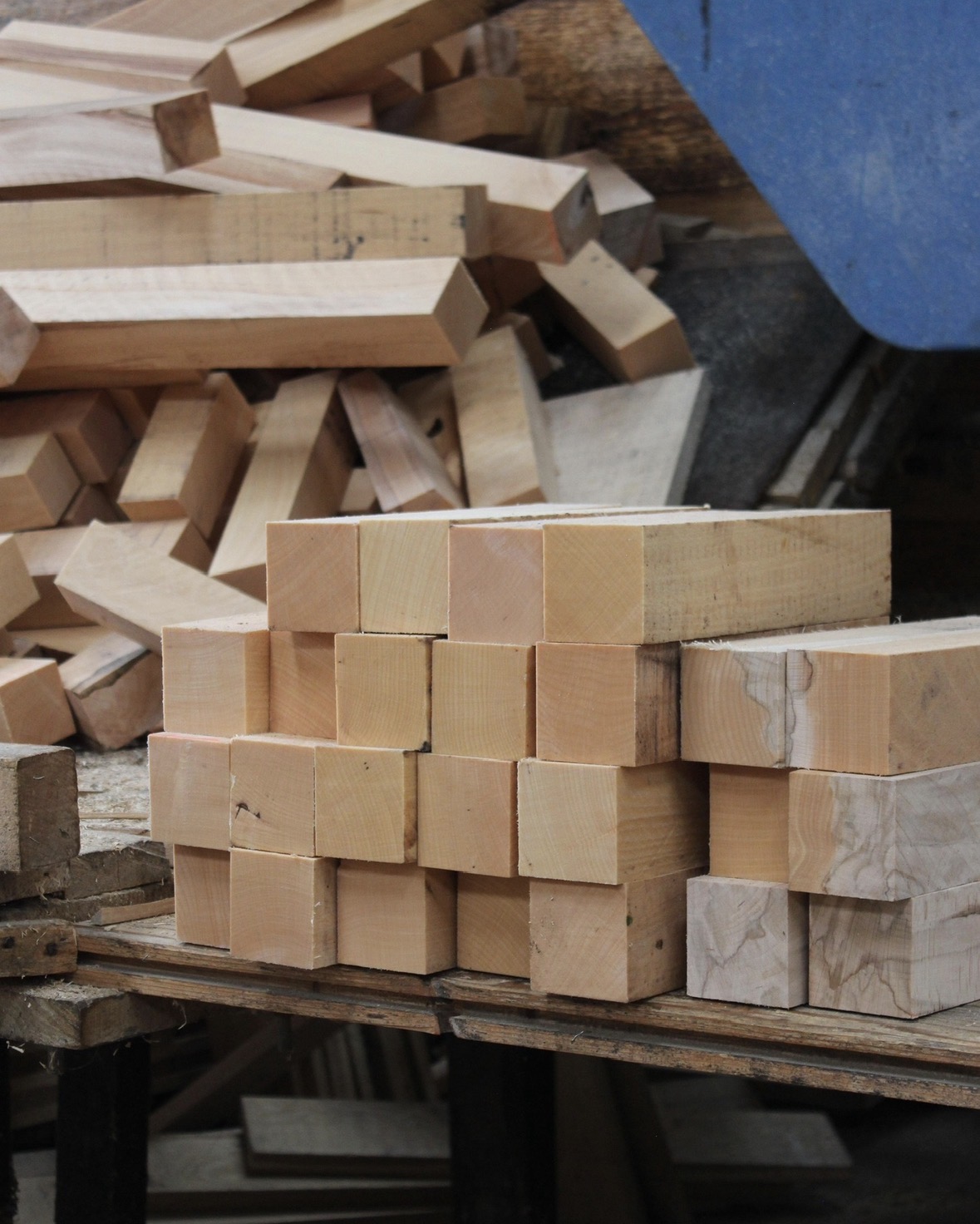
For generations, beech has been considered one of the best European wood species for woodturning. Its homogeneous structure, fine grain, and ease of machining make it a material of choice for manufacturing numerous technical or decorative parts.
At Scierie Vuitton, we produce wood for woodturning to meet the needs of French and international manufacturers, whether for mass production or custom-made projects.
Beech possesses technical characteristics that are highly sought after by woodturners.
Its grain is fine and uniform, which allows for a very smooth surface after machining, with minimal fiber tear-out.
Its density offers an excellent compromise between mechanical strength and ease of work. The wood cuts cleanly, accommodates complex shapes, and handles sanding, finishing, or painting operations very well.
Another major advantage is its dimensional stability after drying. Once properly dried, beech retains its dimensions and limits the risk of deformation in turned parts.
Thanks to its qualities, beech is used in many sectors of the woodturning industry.
It is used to manufacture:
Its versatility explains why it remains one of the most widely used species by woodturning professionals today.
At Scierie Vuitton, we offer both white beech and red beech.
White beech is particularly sought after for its light, uniform, and bright appearance. It serves as an excellent base for natural finishes, varnishes, or oils.
Red beech, on the other hand, offers a bolder visual identity thanks to its pinkish to reddish-brown hues. This natural uniqueness is increasingly appreciated for projects where the wood's aesthetic is highlighted.
It is also widely used for pieces intended to be painted. Its homogeneous texture allows for a smooth, high-quality finish after applying paints or lacquers.
Before being turned into wood-turned parts, beech must undergo a mandatory drying process.
Kiln drying gradually reduces the wood's moisture content to ensure stability and prevent cracks, shrinkage, or warping once the parts are manufactured.
This step is essential for ensuring consistent quality, particularly for parts intended for furniture or demanding technical applications.
Manufacturing turned parts relies on specific expertise and specialized equipment.
The wood is primarily worked on a wood lathe, which rotates the piece while the turner performs the machining.
Depending on the desired shapes, various tools are used:
This combination of machine precision and the turner's expertise allows for the production of both standardized parts and custom creations.
To meet the needs of woodturners, Scierie Vuitton manufactures beech squares ready for machining.
We also produce ash squares, a wood species highly valued for its mechanical strength, elasticity, and distinctive grain.
These squares are used for a wide range of applications, including tool handles, furniture, sports equipment, decorative items, and technical parts that require both robustness and precision.
Thanks to its fine grain, stability after drying, and excellent mechanical properties, beech remains a benchmark in the world of woodturning.
Combined with our expertise in wood preparation and our ability to also produce ash squares, it allows us to support manufacturers in creating durable, precise, and aesthetic products for both the French and international markets.
In our blog, you will find articles dedicated to the world of hardwood, to our know-how, to the life of the sawmill and to news in the sector.
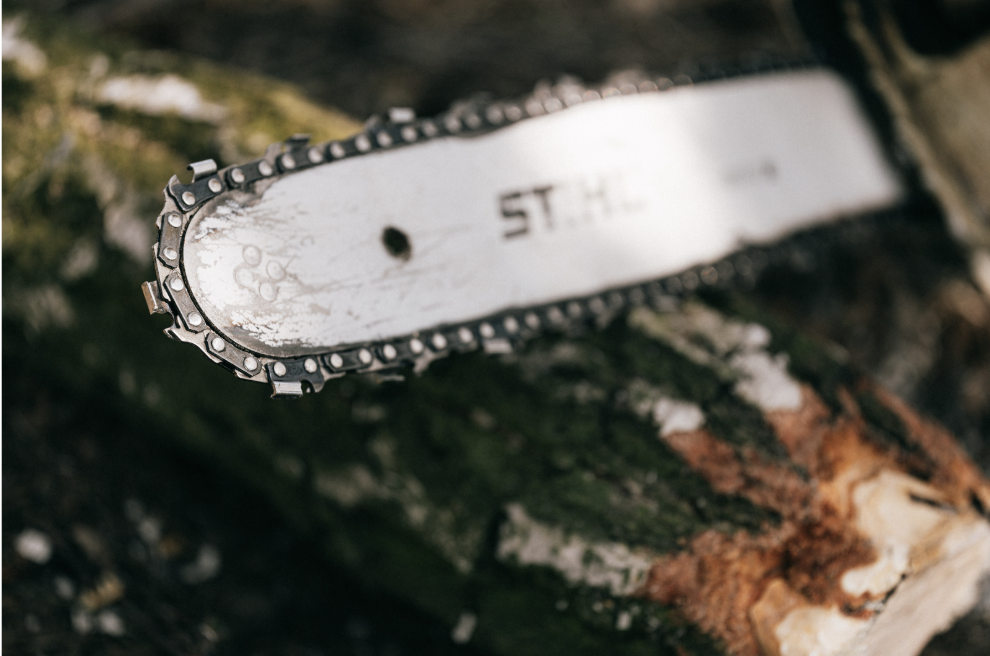
De la forêt au produit scié, découvrez les métiers et les étapes qui permettent de transformer une grume en poutres, plots, dépareillés ou avivés, tout en valorisant les produits connexes issus du sciage.
Discover
À travers le label Bois de France, la Scierie VUITTON valorise l’origine française de ses bois, leur transformation sur le territoire et le savoir-faire d’une filière française tournée vers les marchés professionnels.
Discover
Découvrez ce que signifie la certification PEFC et comment la Scierie VUITTON s’inscrit dans une démarche de gestion durable des forêts, de traçabilité et de valorisation responsable du bois.
Discover


