Discover why oak holds a unique place in the UK and how Scierie Vuitton supports traditional timber framing projects.

If there is one country where oak is truly part of the national heritage, it is the United Kingdom. For centuries, this species has been omnipresent in British architecture, construction, and landscapes. More than just a material, oak has become a symbol of durability, craftsmanship, and legacy.
Even today, this culture of oak remains deeply rooted in construction and renovation projects, making the British market one of the most significant in Europe for quality oak products.
The use of oak in England dates back hundreds of years. As early as the Middle Ages, it became the material of choice for the frames of cathedrals, churches, manor houses, and public buildings.
From the 12th century onwards, traditional oak framing spread across the country, supported by England's abundant forests. Many of these structures are still standing today, a testament to the remarkable durability of this species.
Oak also played a major role in British maritime history. Between the 16th and 19th centuries, the Royal Navy required thousands of oak trees to build a single warship. This massive demand left a lasting mark on the management of English forests and cemented oak's place in the national identity.
Even today, it is common to find oak in many British buildings:
The United Kingdom has a genuine culture of green oak frame, which involves building with fresh oak assembled using traditional carpentry techniques.
These projects combine authenticity, structural performance, and aesthetics, which explains why oak remains such a highly sought-after material.
Despite its own domestic timber production, the United Kingdom remains heavily dependent on wood imports.
In 2024, the country imported approximately 6.3 million m³ of sawn timber, representing a value of £9.2 billion for all imported wood products. The United Kingdom is also among the world's leading importers of oak sawn timber, confirming the importance of this species in its construction and design market.
This demand is driven by both heritage restoration projects and new high-end construction using traditional methods.
This oak culture fits perfectly with the expertise developed by Scierie Vuitton.
Our QPA (Prime Appearance Quality) timber framing is now one of our flagship products for the British market.
Selected with exacting standards, this quality meets the expectations of carpenters specializing in traditional oak construction, where the aesthetics of the wood are just as important as its mechanical performance.
Thanks to rigorous log selection, precise sawing, and perfect mastery of the material, our timber frames are used for the restoration of historic buildings as well as the construction of houses, halls, porches, barns, and contemporary extensions.
For several years, Scierie Vuitton has been developing lasting partnerships with British timber construction professionals.
This proximity to the English market allows us to better understand its requirements, traditions, and the specific expectations of carpenters specializing in oak.
More than just an export market, the United Kingdom represents a historic partner for us, with whom we share a common passion for working with oak and passing on expertise that spans generations.
Sources used:
In our blog, you will find articles dedicated to the world of hardwood, to our know-how, to the life of the sawmill and to news in the sector.
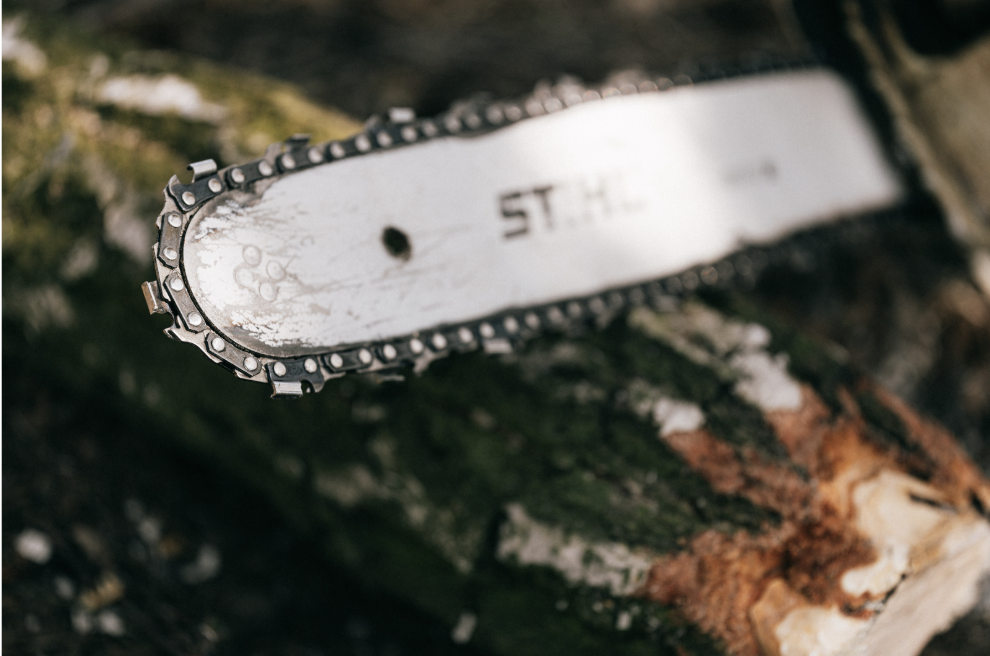
De la forêt au produit scié, découvrez les métiers et les étapes qui permettent de transformer une grume en poutres, plots, dépareillés ou avivés, tout en valorisant les produits connexes issus du sciage.
Discover
À travers le label Bois de France, la Scierie VUITTON valorise l’origine française de ses bois, leur transformation sur le territoire et le savoir-faire d’une filière française tournée vers les marchés professionnels.
Discover
Découvrez ce que signifie la certification PEFC et comment la Scierie VUITTON s’inscrit dans une démarche de gestion durable des forêts, de traçabilité et de valorisation responsable du bois.
Discover


