Olive ash and red beech: discover the benefits of these unique woods, their aesthetic characteristics, and their value within the timber industry.

Some hardwood species are currently undergoing natural changes due to climate, biological stress, or growing conditions. This is the case for olive ash and red heart beech, two types of wood that are often misunderstood but whose use is fully in line with a modern approach to optimizing forest resources.
The goal is not to hide these characteristics, but to understand what they really mean: an aesthetic change in the wood, without systematically compromising its technical qualities.
Olive ash is characterized by contrasting grain patterns and darker areas within the wood grain, giving it an appearance similar to olive wood. These marblings are generally linked to the tree's natural reactions (stress, aging, climatic conditions, or internal wood reactions).
Contrary to popular belief, in most cases, this wood retains its mechanical properties:
The main change is therefore visual, becoming more pronounced and contrasted, which is often sought after for certain decorative uses.
Red heart beech refers to an internal coloration of beech wood, generally caused by oxidation or the tree's internal biological reactions.
This wood may feature:
Once again, these characteristics do not systematically affect the wood's mechanical performance. Beech remains a dense, uniform species that is widely used in joinery and interior design.
The appearance of these colored woods is becoming increasingly common due to:
These phenomena do not indicate a general degradation of the wood, but rather a gradual transformation of forest resources.
What was once considered a defect is now becoming an asset for many applications.
Olive ash and red heart beech are increasingly used for:
Their natural aesthetic provides a strong, distinctive identity to finished projects.
The evolution of the timber industry now involves better integrating these natural variations into value chains.
Rather than viewing these woods as downgraded products, the approach is to:
This approach allows for a more complete and rational use of forest resources.
In the context of climate change and pressure on resources, the ability to make the most of all the qualities of wood is becoming essential.
Olive ash and red beech illustrate this shift: different, sometimes atypical woods that are fully usable when correctly directed.
They contribute to a broader vision of the timber industry: an industry capable of turning natural constraints into opportunities for use and design.
In our blog, you will find articles dedicated to the world of hardwood, to our know-how, to the life of the sawmill and to news in the sector.
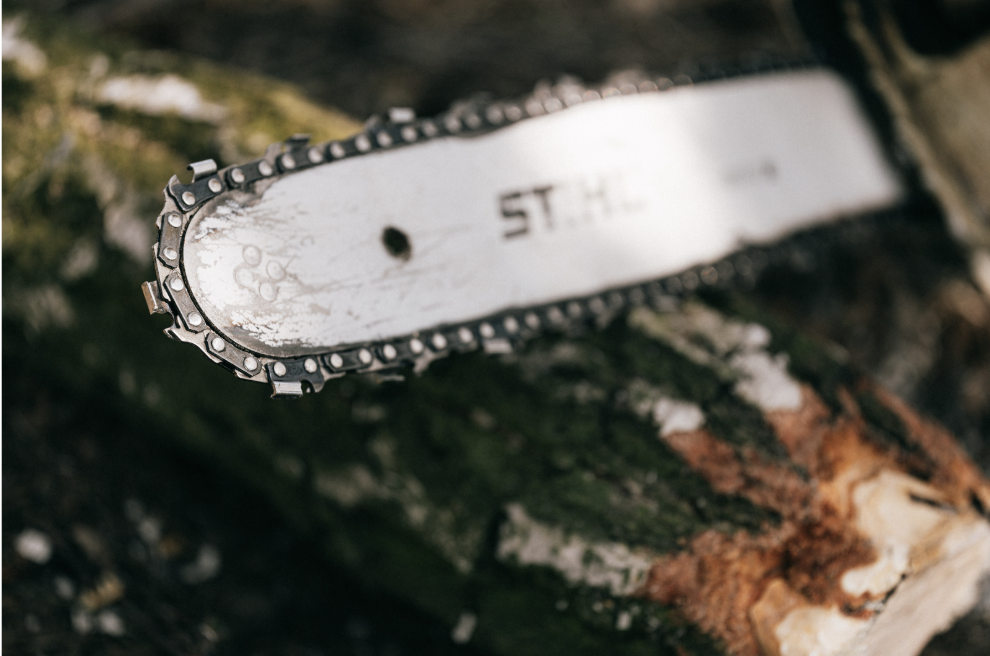
De la forêt au produit scié, découvrez les métiers et les étapes qui permettent de transformer une grume en poutres, plots, dépareillés ou avivés, tout en valorisant les produits connexes issus du sciage.
Discover
À travers le label Bois de France, la Scierie VUITTON valorise l’origine française de ses bois, leur transformation sur le territoire et le savoir-faire d’une filière française tournée vers les marchés professionnels.
Discover
Découvrez ce que signifie la certification PEFC et comment la Scierie VUITTON s’inscrit dans une démarche de gestion durable des forêts, de traçabilité et de valorisation responsable du bois.
Discover


