Discover how to choose the best wood for your deck: Padouk, Ipe, or Merbau. Compare their durability, aesthetics, stability, and price.

A wooden deck is an investment designed to last for decades. Beyond aesthetics, choosing the right wood species is essential to ensure weather resistance, long-term stability, and ease of maintenance.
Among the many species available, three stand out for high-end projects: Padauk, Ipe, and Merbau. Thanks to their natural durability, these exotic woods offer excellent performance without the need for preservative treatments.
Before selecting a wood species, several criteria should be evaluated.
A deck is exposed to rain, sun, frost, and humidity fluctuations all year round. It is therefore recommended to choose a naturally durable wood (Use Class 4 minimum) capable of resisting fungi, insects, and rot without chemical treatment.
Quality decking wood should minimize the risk of warping, cupping, or shrinking as the seasons change.
Stability depends directly on the chosen species, as well as the quality of the drying process and installation conditions.
Each species has its own unique character.
Without specific maintenance, all these species will naturally develop a gray patina, which is highly sought after in contemporary design. However, a wood sealer can be used to preserve their original color.
Padauk is often chosen for its excellent dimensional stability.
Its vibrant color immediately adds character to a deck, and its natural transition to a silvery-gray hue is remarkably uniform.
Its main advantages are:
It offers an excellent balance between technical performance and aesthetics.
Ipe is considered one of the most resistant wood species in the world.
Its high density provides exceptional resistance to impact, wear, insects, and fungi. An Ipe deck can maintain its quality for several decades when installed correctly.
Its main drawback is its price, which is generally the highest of the three species, as well as the more demanding machining required due to its extreme hardness.
Merbau is a wood species highly valued for its robustness and stability.
It offers performance very similar to Ipe while often being more affordable. It also features a beautiful reddish-brown tone that blends easily into any outdoor design style.
When first exposed to rain, Merbau may release colored tannins. This is a natural phenomenon that gradually disappears after the first few rinses.
The price of a deck depends on many factors: wood species, board dimensions, grade quality, and the origin of the wood.
In general:
Beyond the initial purchase price, it is important to consider the material's lifespan. Naturally durable wood is often a cost-effective long-term investment thanks to minimal maintenance requirements and excellent resistance to the elements.
At Scierie Vuitton, we guide our clients based on their specific project, budget, and desired aesthetic finish.
Regardless of the species chosen, a quality wood deck also relies on careful installation, a suitable structure, and proper ventilation for the boards. These factors, combined with a durable wood species, will ensure your outdoor space lasts for many years to come.
In our blog, you will find articles dedicated to the world of hardwood, to our know-how, to the life of the sawmill and to news in the sector.
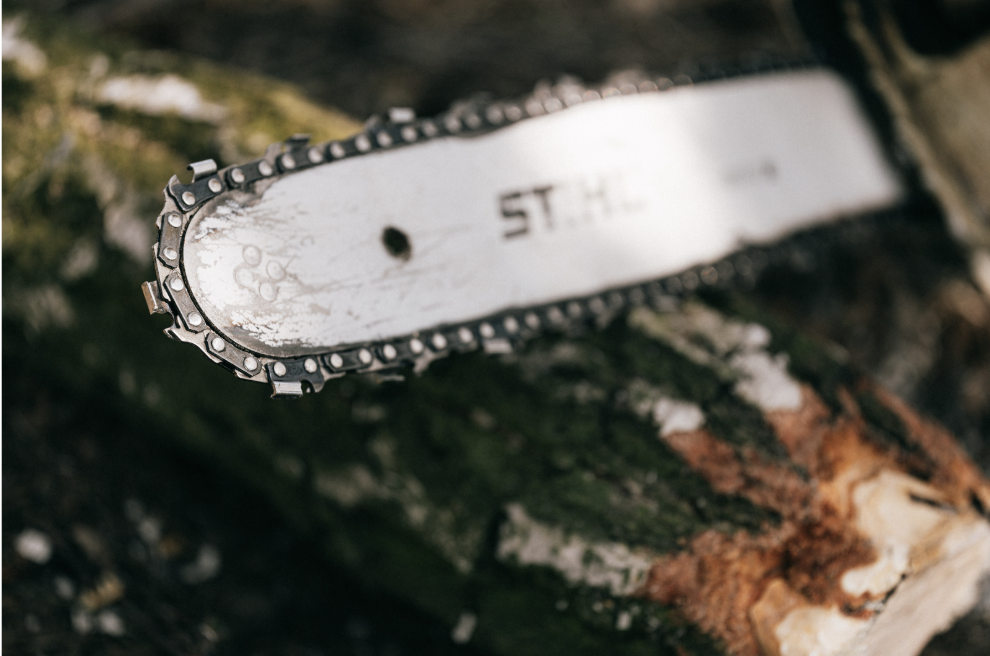
De la forêt au produit scié, découvrez les métiers et les étapes qui permettent de transformer une grume en poutres, plots, dépareillés ou avivés, tout en valorisant les produits connexes issus du sciage.
Discover
À travers le label Bois de France, la Scierie VUITTON valorise l’origine française de ses bois, leur transformation sur le territoire et le savoir-faire d’une filière française tournée vers les marchés professionnels.
Discover
Découvrez ce que signifie la certification PEFC et comment la Scierie VUITTON s’inscrit dans une démarche de gestion durable des forêts, de traçabilité et de valorisation responsable du bois.
Discover


